
Introduction
New coding tools always face the same reaction: immediate adoption by some, outright dismissal by coding purists. This pattern repeats with every technological leap.
Vibe coding is already here – and soon we’ll just call it coding. Just like we dropped “smart” from smartphones, the distinction between AI-assisted and traditional coding is rapidly disappearing. What matters isn’t the tool but knowing when to use it.
The Microwave Principle
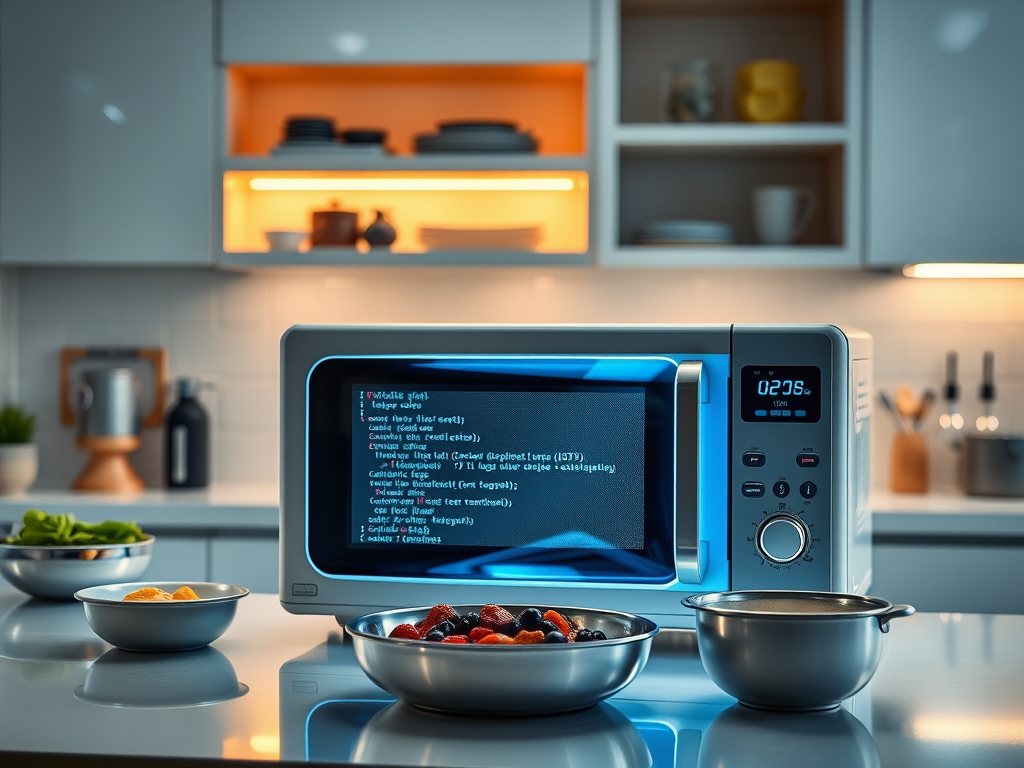
Nobody microwaves a prime rib. A good cook knows when to use a microwave and when to use the oven. Microwaving popcorn makes perfect sense – the result is good, it’s convenient, and alternatives require special equipment. For certain tasks, the microwave is clearly best.
How Industries Work
Industries move toward tools that save time, effort, and money. That’s how economies function. Markets prefer “good enough and affordable” over “perfect but expensive.” Throughout history, craftspeople who adapted to new technologies often thrived, while those who resisted change sometimes found themselves with fewer opportunities.
Better Tools Make You Stronger
Good tools don’t replace skill—they amplify it. A beginner with a microwave can’t fix a complex meal. Automation tools work best when used by people who understand programming.
Code You Can “Microwave”
Before Product-Market Fit: When testing ideas, fast prototyping is essential. Get something working quickly, then refine if it has potential.
UI Work: Interfaces follow patterns that can be generated faster than coding from scratch.
Data Transformation: Moving data between formats is perfect for automation – it’s tedious and follows consistent patterns.
Boilerplate: Project scaffolding and configuration should be automated because they follow templates.
Single-Shot Prompts: Here’s the magic – translating vague ideas into working demos. Taking your boss’s intent and turning it into something real that you can iterate on later.

Code You Shouldn’t “Microwave”
The truth is, we don’t yet know the limits of vibe coding. The boundaries are shifting rapidly.
What seemed impossible for automation yesterday becomes routine today. Perhaps the only constant is that each new capability shifts our attention to the next level of complexity.
For now, use your judgment. What parts of your system need your deepest expertise? Focus your hands-on attention there, and let the microwave handle the rest.
Beyond the Microwave: Programming’s Next Evolution
Right now, we’re stuck in a transition phase. We express intent in human language, which gets translated into human-readable code that compilers then execute. This multi-step translation process introduces inefficiencies and vulnerabilities at each layer.
Imagine instead a different paradigm: What if we operated in a space where we had fundamental building blocks that were mathematically guaranteed to run correctly? Where AI systems understood how to assemble these components without introducing security flaws or runtime errors?
Someone will still need to verify these foundational components, but this verification only needs to happen once. Once library code is verified and trusted, we can build upon that foundation with confidence. The code becomes provably correct by construction.
Human-written programming languages will always exist for experts who need precise control. But to truly break through to the next level of software development, we may need to let machines operate in a different computational space entirely—one optimized for how AI thinks rather than how humans think.
This isn’t about tools becoming better than experts; the experts are the ones who created the tools in the first place. Rather, it’s about designing new computational environments where computers have the advantage—where we write the game for them. In domains like massive data processing and pattern recognition, machines already outperform us. By creating new abstraction layers that leverage these strengths, we can unlock capabilities beyond what traditional programming paradigms allow.
The Smart Approach
The best developers know when to use quick tools and when to craft by hand. They save their expertise for where it adds the most value.
Conclusion
The future belongs to those who use automation strategically. Knowing when to “microwave code” and when to craft it by hand isn’t about laziness—it’s about maximizing impact.
Nobody microwaves a prime rib. But nobody ignores their microwave either.
In the end, the distinction may fade entirely as we move toward computational systems that combine the best of human creativity with machine reliability. The goal isn’t replacing human programmers—it’s augmenting them with tools that handle the tedious and error-prone aspects of coding, freeing them to focus on the truly creative work of solving problems that matter.
https://charlespetzold.com/etc/DoesVisualStudioRotTheMind.html


One thought on “Microwaving Code”
Comments are closed.